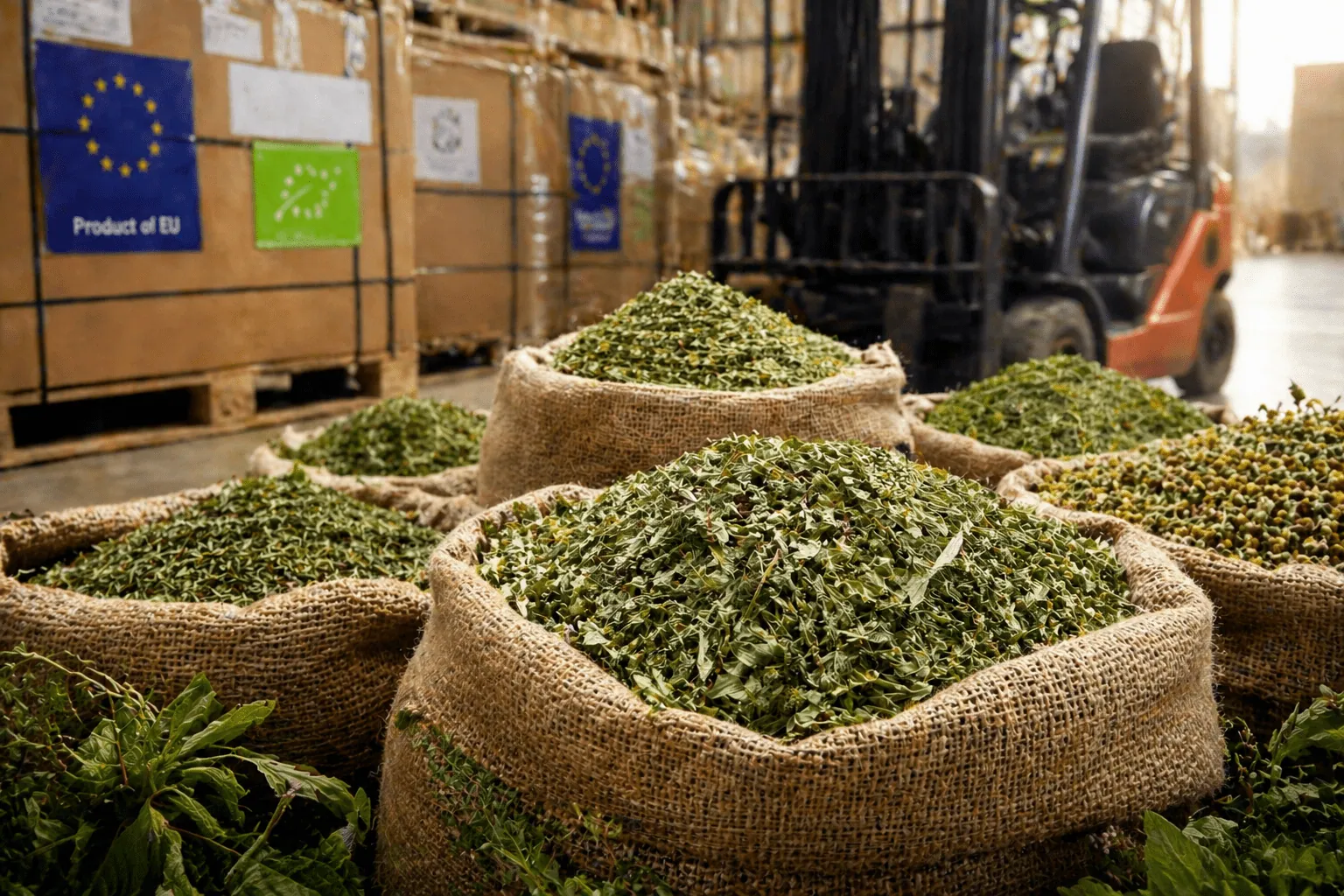
The Gulf is one of the most accessible export markets for an Egyptian supplier and one of the most demanding on documentation. Short transit, shared language, established trading relationships and long-standing consumption of the products themselves make the commercial case straightforward; the requirements around Halal, labelling and conformity are where the work sits. This is an orientation for buyers and for exporters serving the region.
Why the trade is structurally strong
Three factors, none of them cyclical:
- Established consumption. Herbs and spices covered here are not novelty products in the Gulf; they are staples of the regional diet and of traditional herbal use. Demand does not need to be created.
- Proximity. Egypt is close to the Gulf by sea and by road-and-sea combinations. Short transit means less quality loss and shorter working capital cycles.
- Food security policy. GCC states import the large majority of their food and have made supply diversification an explicit policy objective, which favours suppliers who can demonstrate reliability and documentation rather than only price.
Demand drivers worth understanding
Beyond baseline consumption, several currents shape what buyers ask for:
- Re-export and processing hubs. The UAE in particular functions as a regional distribution point, so a portion of demand is for material that will be re-packed or re-exported, with the documentation requirements that implies.
- Hospitality and food service. A large tourism and hospitality sector consumes at scale and buys on consistency.
- Herbal and wellness products. Traditional herbal use combines with a growing packaged supplement and herbal-tea segment, which raises documentation and testing expectations.
- Ramadan seasonality. Demand for staples including hibiscus, dried fruits and traditional spices concentrates ahead of Ramadan. Procurement runs months earlier, and suppliers who plan to the retail calendar rather than the consumption calendar arrive late.
Halal: getting the language right
Halal is the requirement most often described loosely, and it is worth being precise. Halal certification schemes and their recognition differ between GCC states, and a certificate issued by a body recognised in one market is not automatically accepted in another. The correct questions are: which certification body, recognised by which authority, in which destination market.
For dried herbs, spices and seeds the substantive risk is low — these are plant materials — but the documentary requirement is real and is checked at import. HS Herbs provides Halal documentation on request; confirm with your importer which body's documentation your destination authority accepts before you contract, and we will tell you what we can supply against it.
Conformity and labelling
GCC markets operate conformity assessment schemes for imported goods, and labelling requirements include Arabic-language information. Requirements are set nationally and are revised, so the practical rule is the same as for any market: confirm the current requirement with your importer or broker in the destination before printing artwork or producing to a label specification. See our packaging and labelling guide for the baseline content every shipping unit should carry.
What GCC buyers typically ask for
From an Egyptian supplier, the recurring requirements are:
- Consistency of colour and aroma between shipments, more than absolute peak quality in one
- Halal documentation acceptable to the destination authority
- Food safety certification of the processing facility
- Lot-specific certificate of analysis
- Arabic-compliant labelling
- Reliable shipment timing against the retail and religious calendar
Consistency is worth emphasising. In a market where the same product is bought repeatedly for the same traditional preparation, a supplier whose material varies noticeably between lots creates a problem at retail level that price does not compensate for.
Products with the clearest regional demand
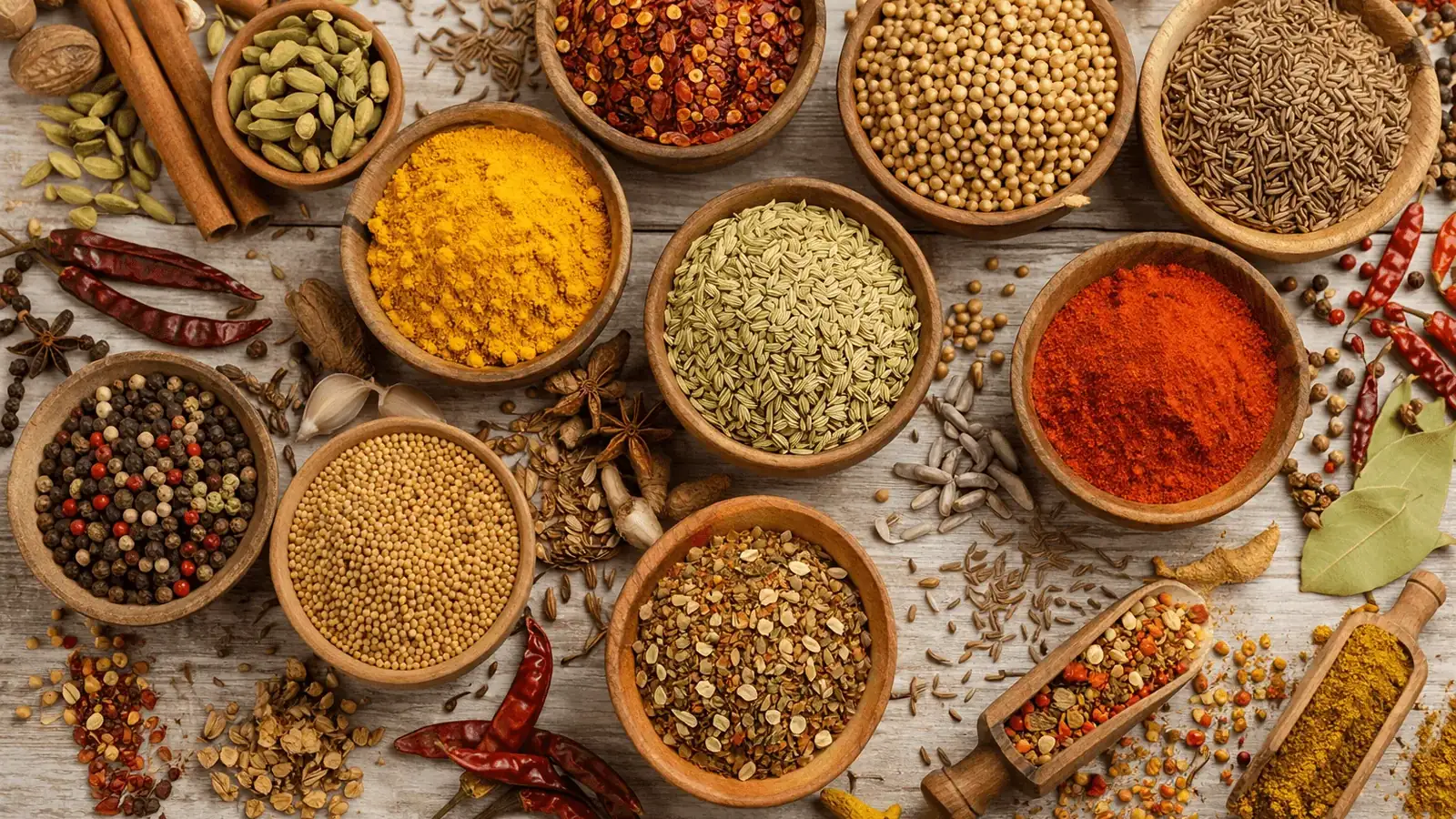
Hibiscus for karkadé, chamomile and mint for infusions, cumin and coriander as culinary staples, anise and fennel for traditional preparations, and legumes including fava beans and lentils as dietary staples. See the full range across herbs, spices, seeds and legumes.
Practical guidance
- Establish the accepted Halal certification body for your destination before contracting.
- Confirm labelling and conformity requirements with the importer, in writing.
- Plan Ramadan-linked volumes months ahead of the consumption period.
- Specify consistency parameters, not just minimums, where the product is bought repeatedly.
- Agree the documentary set before production begins.
To discuss a requirement for a GCC destination, contact our export team.