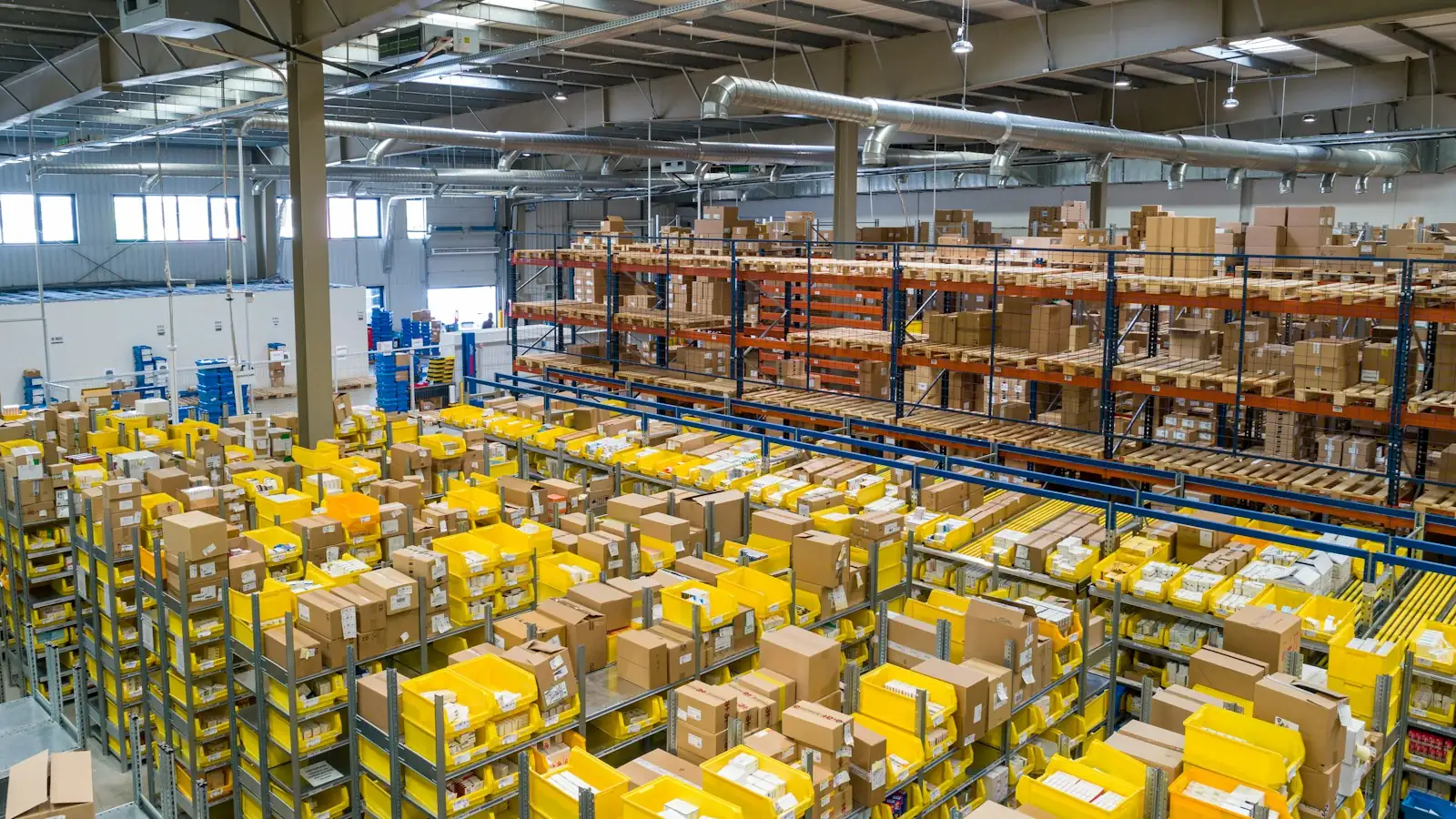
Who carries legal responsibility, which registrations and codes you need, the documents that travel with the goods, EU border controls, and the food-safety checks behind most rejections.
A practical checklist for qualifying a herb or spice supplier before the first order: legal identity, certificate checks, facility audits, traceability tests, COA review and responsible sourcing.
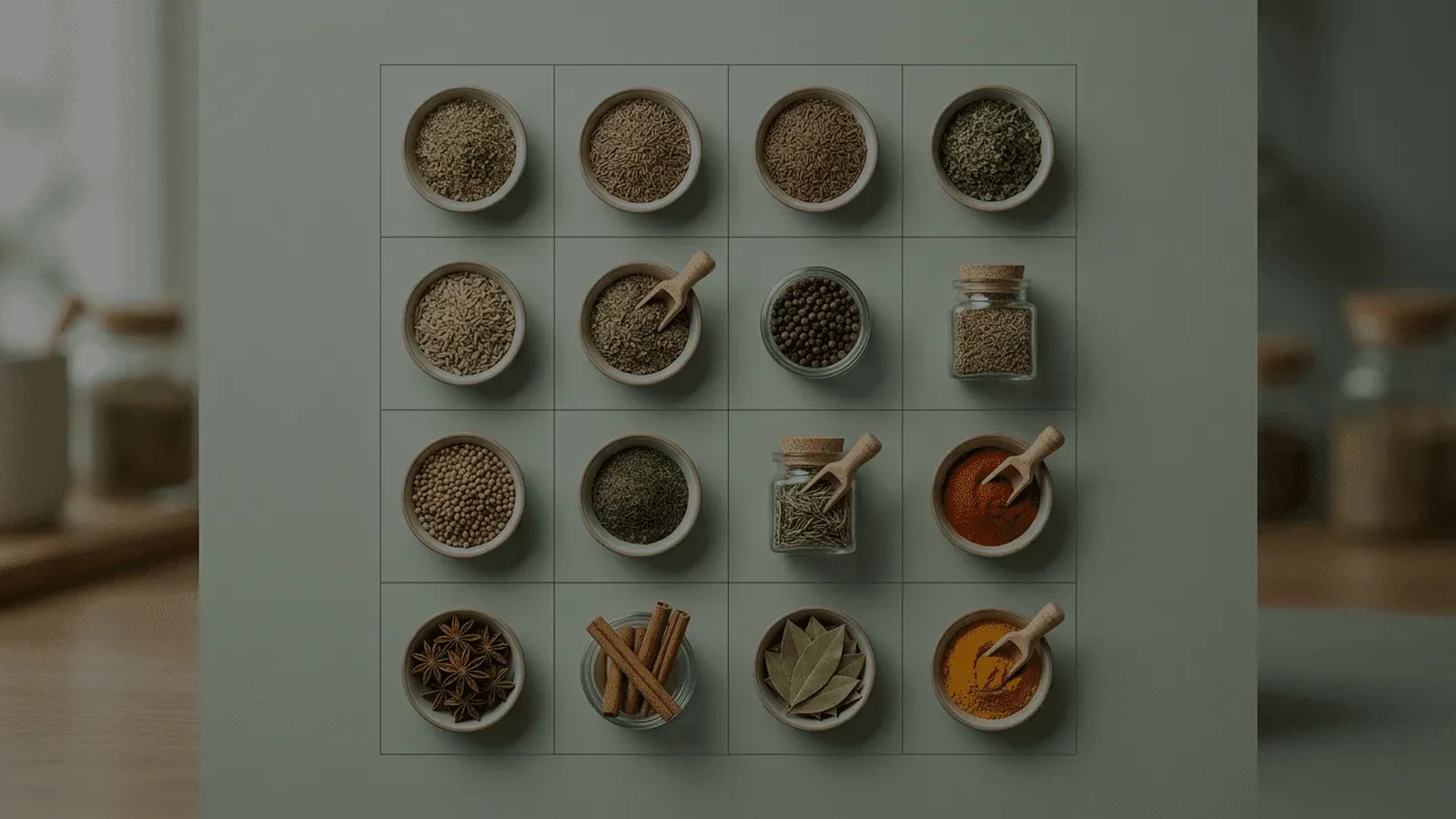
The main forms of herb and spice fraud, from oregano bulked with other leaves to illegal dyes in chilli, the laboratory methods that detect them, and the supply-chain controls that prevent them.
How the Incoterms® 2020 rules used in the herb trade divide freight, risk, insurance and customs between exporter and buyer, why FCA suits containers, and which rule fits which buyer.
What organic certification actually certifies, the USDA, EU and JAS standards you will meet, the conversion period, chain of custody, and the documents an organic shipment must carry.
Why the Gulf and the wider Middle East remain a structurally strong market for Egyptian herbs and spices, what GCC buyers ask for, and how to get Halal and labelling requirements right.
What export packaging protects herbs and spices against, the common formats from PP bags to lined cartons, labelling and marking, and how to load a container for the voyage.
Comprehensive guide to quality testing methods for imported herbs and spices. Learn about microbiological testing, heavy metals, pesticide residues, ASTA color values, and essential oil analysis.
Complete guide to GACC registration requirements for Egyptian herb exporters to China. Learn about Chinese import regulations, inspection & quarantine protocols.
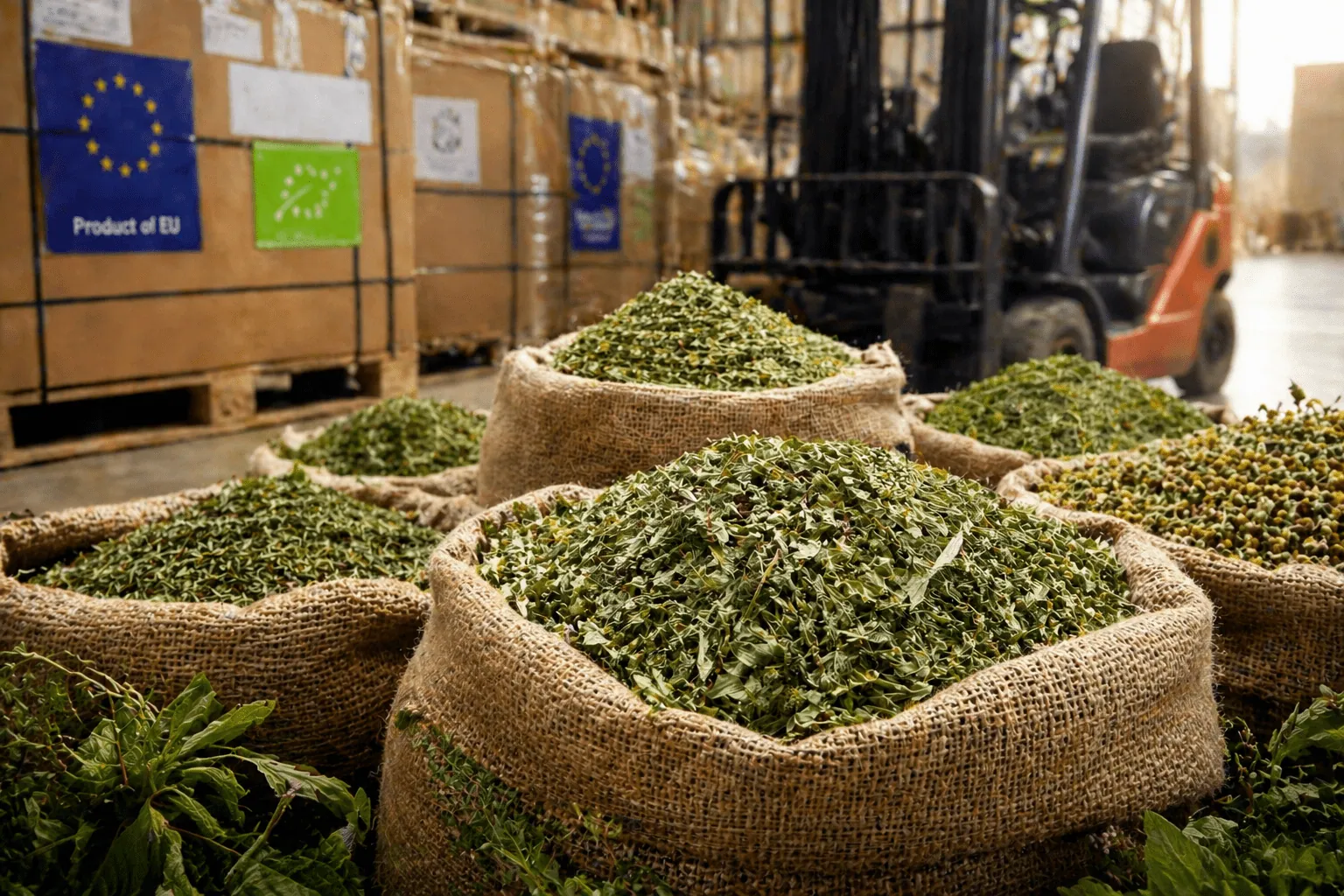
What European importers ask of an Egyptian herb supplier in 2026 — traceability, residue compliance against EU rules, documented food safety and consistent lots — and how to contract for them.
Complete guide to sourcing Egyptian hibiscus (Hibiscus sabdariffa) from Aswan. Learn about quality grades, anthocyanin content, color measurement, export logistics, and packaging for global importers.
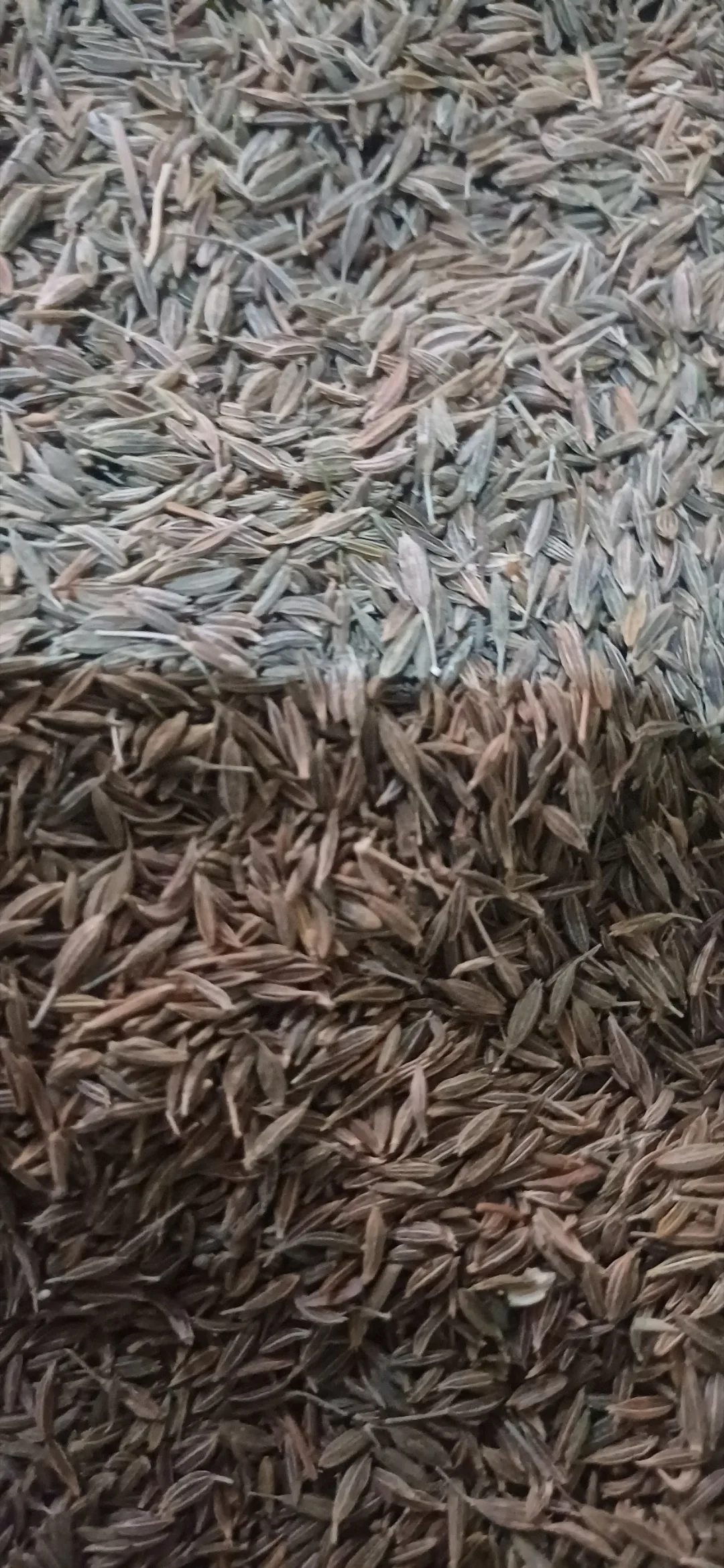
Egypt is a major origin for cumin. Learn how purity grades are defined, what actually drives aroma strength, and what to specify when buying Egyptian cumin seeds.
Ever wondered what the initials "HS" stand for? Discover the personal commitment and professional vision behind the HS Herbs brand, and how we bridge Egyptian heritage with global quality standards.
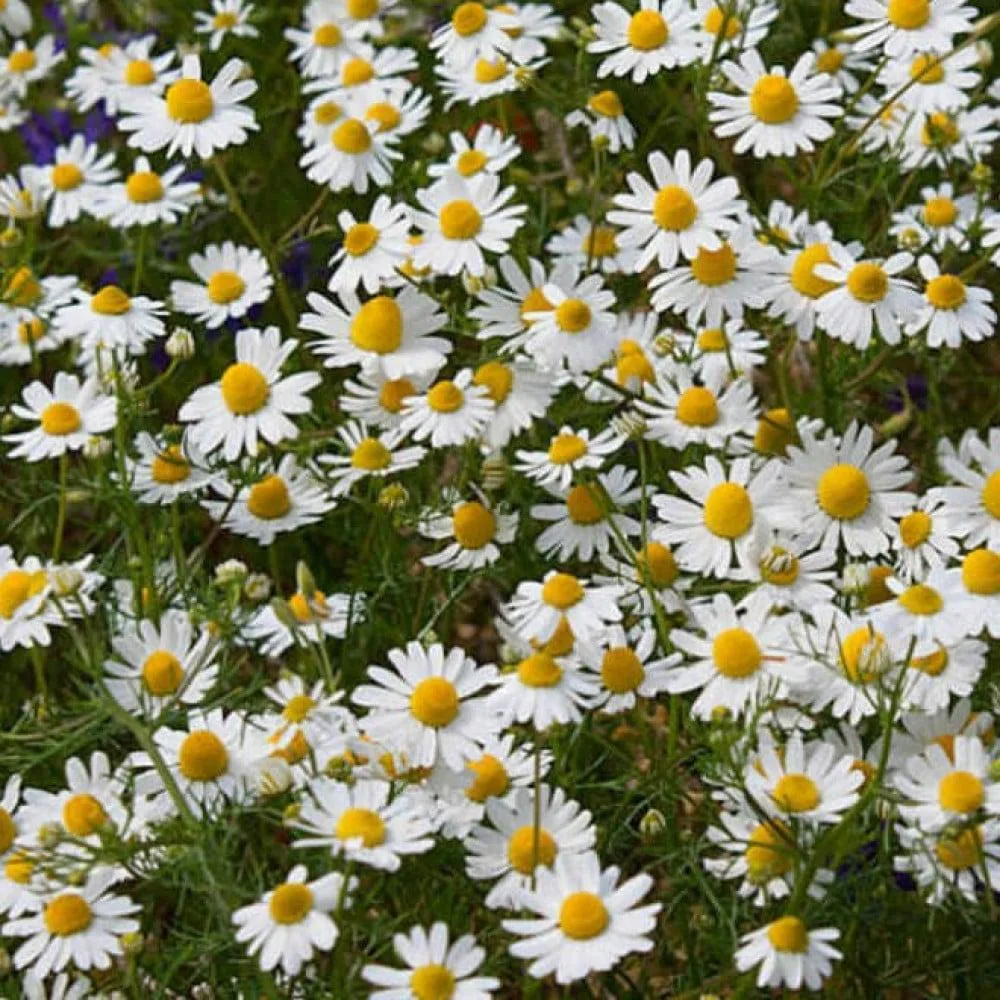
Where Egyptian chamomile is grown, how the season and drying shape its quality, how whole flower, cut and tea-bag cut grades differ, and what to write into the specification.
What Egyptian origin really contributes to herb quality — controlled irrigation, a dry drying season, Delta soils and a short route to port — and what origin cannot do for you.
Receive monthly harvest reports, regulatory updates, and exclusive B2B market intelligence directly in your corporate inbox. No spam unsubscribe anytime.