Egypt is one of the world's principal sources of dried chamomile, and most of it comes from a small area of Middle Egypt: the Fayoum oasis and the neighbouring governorate of Beni Suef. This guide explains what shapes the quality of that crop, how the traded grades differ, and which points a buyer should put into the specification, whether the flowers are going into tea bags, herbal medicines or extracts.
Where Egyptian chamomile is grown, and why there
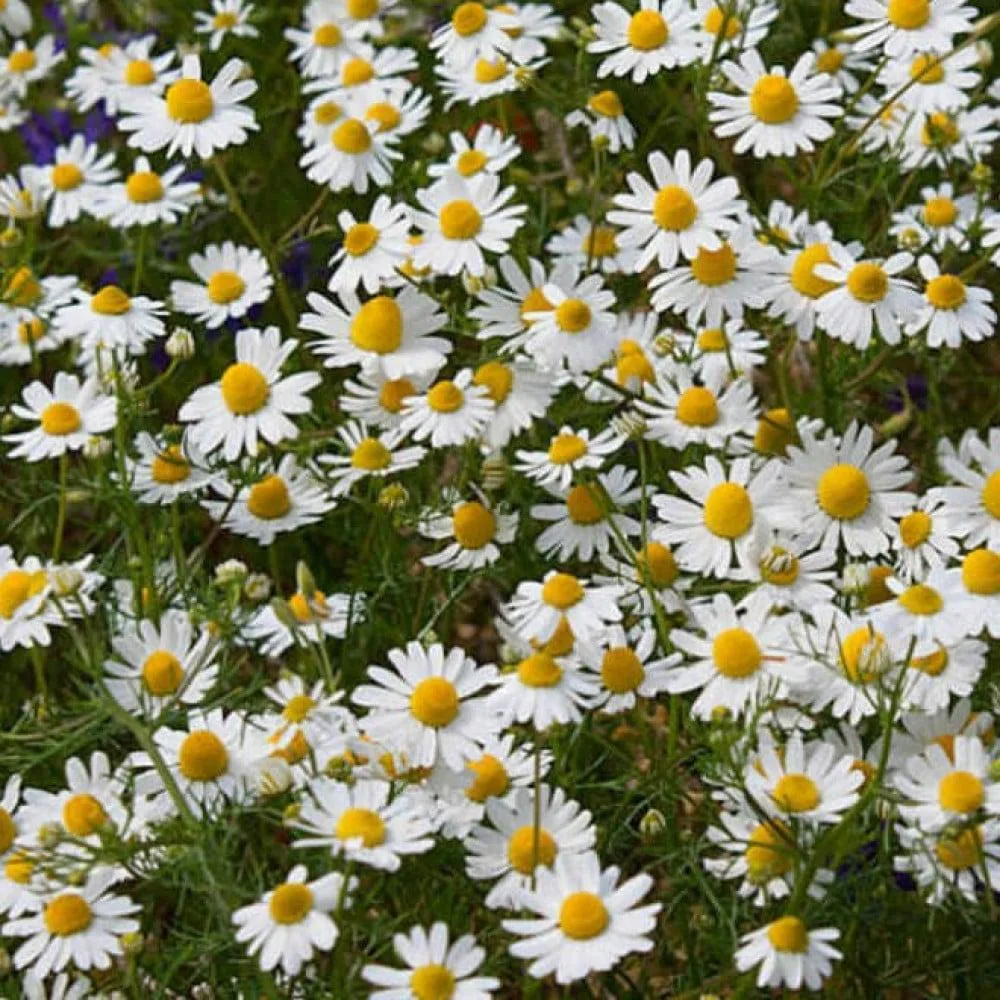
The plant traded as Egyptian chamomile is German chamomile, Matricaria chamomilla L. (also listed as Matricaria recutita). It is not interchangeable with Roman chamomile, Chamaemelum nobile, and a specification should name the species.
Fayoum is a depression west of the Nile valley, watered by the Bahr Yussef canal rather than by rain. Three conditions suit chamomile there:
- A mild, dry winter. Chamomile is a winter crop in Egypt. It grows through the cool months and flowers as temperatures rise, so the flowering period falls in the season with the least rain.
- Controlled water. Irrigation, not weather, supplies the crop. Growers decide when the plants are watered, which makes flowering more predictable than in rain-fed regions.
- Dry air for drying. Flowers are picked fresh and must be dried quickly. Low humidity shortens drying and lowers the risk of mould and discolouration.
None of this guarantees quality. It gives a grower who manages the crop well the conditions to do so, which is why the processing steps below matter as much as origin.
The season
Chamomile is sown in autumn and flowers from late winter into spring. The plants do not flower all at once, so the same field is picked several times as new flower heads open. Earlier pickings generally yield more intact, evenly sized heads; later pickings tend to carry more stem and smaller flowers.
For a buyer this has two practical consequences. First, new-crop material is available from spring, and the best time to agree volumes and specifications is before harvest, not after. Second, a single "lot" may be assembled from several pickings, so ask how lots are formed and make sure sampling represents the whole lot rather than one bag.
Drying, cleaning and sifting
Most of the difference between a good lot and a poor one is decided after picking.
- Drying. Flowers dried too slowly can brown or develop mould; dried too harshly they lose colour and aroma. The drying method and the moisture at packing should be part of the specification.
- Cleaning. Stems, leaves, sand and other plant material are removed by sieving and air separation. What remains is measured as foreign matter, and the definition needs agreeing: some buyers count chamomile stems as foreign matter, others do not.
- Sifting into grades. The cleaned material is separated by screen size into whole flowers, broken flowers and finer fractions.
One EU-specific point deserves its own mention. Chamomile is among the herbal infusions for which the EU sets maximum levels of pyrrolizidine alkaloids in Regulation (EU) 2023/915. These alkaloids do not come from chamomile itself; they come from certain weeds harvested along with it. The control points are weeding in the field and careful cleaning, and a buyer supplying the EU should ask for pyrrolizidine alkaloid analysis on the lot.
Grades and forms in the trade
| Form | What it is | Typical use |
|---|---|---|
| Whole flower | Intact, dried flower heads, sorted by size and proportion of whole heads | Loose-leaf and premium tea, retail packs, pharmaceutical use |
| Cut and sifted | Flowers cut and screened to a stated particle range | Herbal blends, filling, further processing |
| Tea-bag cut (TBC) | Fine, uniform particles sized for tea-bag machines | Tea-bag production |
| Siftings and fines | Smaller fractions left after grading | Extraction and lower-cost applications |
| Powder | Milled flowers | Extracts, capsules, cosmetics |
Descriptions such as "premium" or "extra" have no agreed meaning between suppliers. A screen size, a limit on stems, and an agreed sample are what make two offers comparable.
What to put in the specification
- Botanical identity: Matricaria chamomilla L., flower heads.
- Form and particle size: the grade from the table above, with a screen size or particle range.
- Moisture at packing, and the method used to measure it.
- Foreign matter, with a definition that states whether stems are included.
- Volatile oil and marker compounds, only if your use needs them. A buyer making herbal medicines will usually specify compliance with the relevant pharmacopoeia monograph; name the pharmacopoeia and its edition.
- Microbiology, including the pathogens your market or process requires.
- Pesticide residues against the law of the destination market, for the EU Regulation (EC) No 396/2005.
- Pyrrolizidine alkaloids for EU-bound herbal infusions.
- Sampling: who draws the sample, where, and how many bags are sampled per lot.
A tea blender, an extract manufacturer and a pharmaceutical company will weight these points very differently. The guide to quality testing explains what each test measures.
Sourcing chamomile from HS Herbs
HS Herbs is based in Ibshway, in Fayoum. We supply Egyptian chamomile as whole flower and cut and sifted, packed in PP bags or paper sacks, shipped FOB Alexandria, with a minimum order of 5 MT. Each shipment carries a certificate of analysis for the lot supplied, and the contractual specification is agreed in writing before shipment.
Samples are available under our sample policy, and the documents that travel with each shipment are listed on our export documents page. To discuss a specification for the coming season, contact our export team.