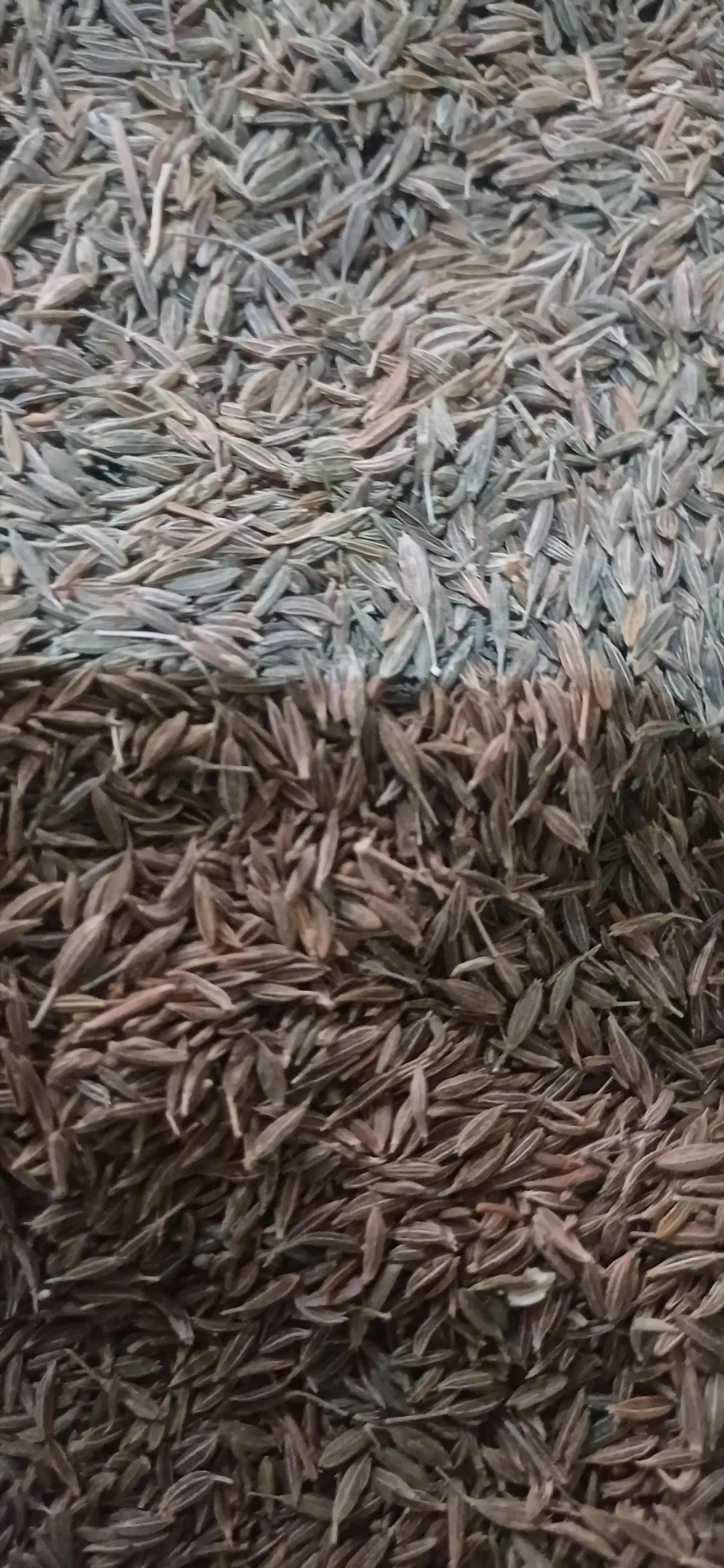
Cumin is one of the most traded spices in the world and one of the easiest to buy badly. The seed looks broadly similar across origins and grades, the price spread between them is wide, and the properties that matter to a food manufacturer — aroma strength, cleanliness, consistency — are not visible in a photograph. This is a buyer's orientation to Egyptian cumin.
What distinguishes cumin origins
Cumin (Cuminum cyminum) is grown across a belt running from North Africa through the Middle East to South Asia. Origins differ in seed size and shape, in the balance of the volatile oil profile, and in the cleaning and grading conventions of the local trade.
The compound most associated with cumin's characteristic aroma is cuminaldehyde, and volatile oil content is the parameter most closely linked to sensory strength in a finished product. Where it matters to your formulation, treat it as a contract parameter measured on the shipped lot — not as an origin claim. Suppliers who quote an oil percentage in a brochure and cannot produce a lot-specific figure are describing a hope, not a result.
Why Egyptian cumin travels well
The structural argument is the same one that applies to Egyptian seed crops generally: an irrigated growing season, a dry harvest window that allows rapid drying, and a short inland leg to Alexandria. Rapid drying preserves volatile oils, and a short chain from field to vessel limits the time in which those oils dissipate.
Egypt also has well-developed seed cleaning infrastructure — the same gravity separators, aspirators and sieve stacks used for fennel, anise and caraway — which matters for cumin because the material arrives from the field with a significant proportion of stalk and chaff.
Grades, and what they actually mean
Cumin is traded to purity grades: the percentage of the lot that is sound cumin seed, with the balance being foreign matter, damaged seed and other plant material. Common commercial descriptions include singles, doubles and machine-cleaned grades, and the terminology is not standardised between markets.
This is where buyers lose money. "99% purity" from two suppliers may reflect two different methods of measurement and two different definitions of what counts as foreign matter. When you compare offers:
- Ask what is included in the impurity fraction, not just the number.
- Ask which cleaning stages the material passes through.
- Ask whether the figure is a specification the supplier will contract to, or a typical value.
- Confirm whether admixture of other seed is measured separately.
Whole versus ground
Whole seed keeps its aroma far longer than ground cumin: grinding exposes surface area and volatiles begin to escape immediately. If your process allows it, buying whole and grinding close to use is the better technical decision.
Ground cumin also carries an adulteration risk that whole seed does not. Once a spice is a powder, visual verification is gone, and the trade has a documented history of adulteration in ground products. Buyers of ground material should be correspondingly more rigorous about supplier verification and lot testing.
What to test
The parameter set for cumin typically spans:
- Moisture, purity and foreign matter — the physical basics.
- Volatile oil content, where aroma strength is a specification.
- Microbiological parameters, particularly where the spice goes into a product with no further heat step.
- Pesticide residues against the destination market's framework.
- Heavy metals, where your market or customer requires it.
- Authenticity, for ground material.
Which of these are contractual and which informational is a commercial decision; make it explicitly. See our guide to quality testing methods for how each test works and what it can and cannot show.
Buying practically
- Specify the grade in measurable terms, not by trade nickname.
- Buy whole where you can, and grind close to use.
- Make crop year a contract term if aroma strength matters.
- Agree the point of sampling — loading or discharge — before you fix the price.
- Retain a sealed reference sample from every lot you accept.
Our Egyptian cumin seeds ship FOB Alexandria with a lot-specific certificate of analysis. Tell us the parameters your formulation requires and we will confirm what we can contract to — contact our export team.