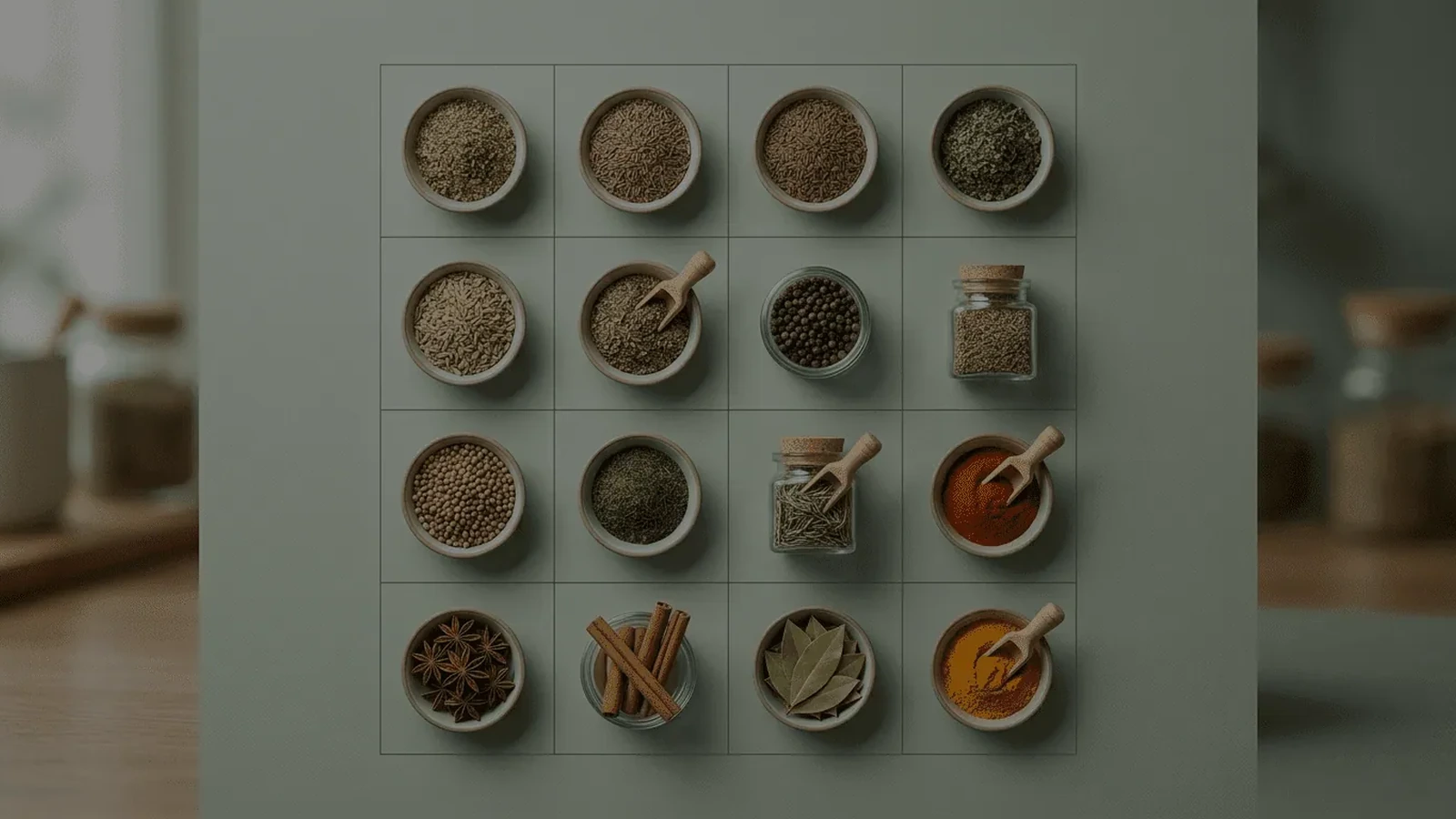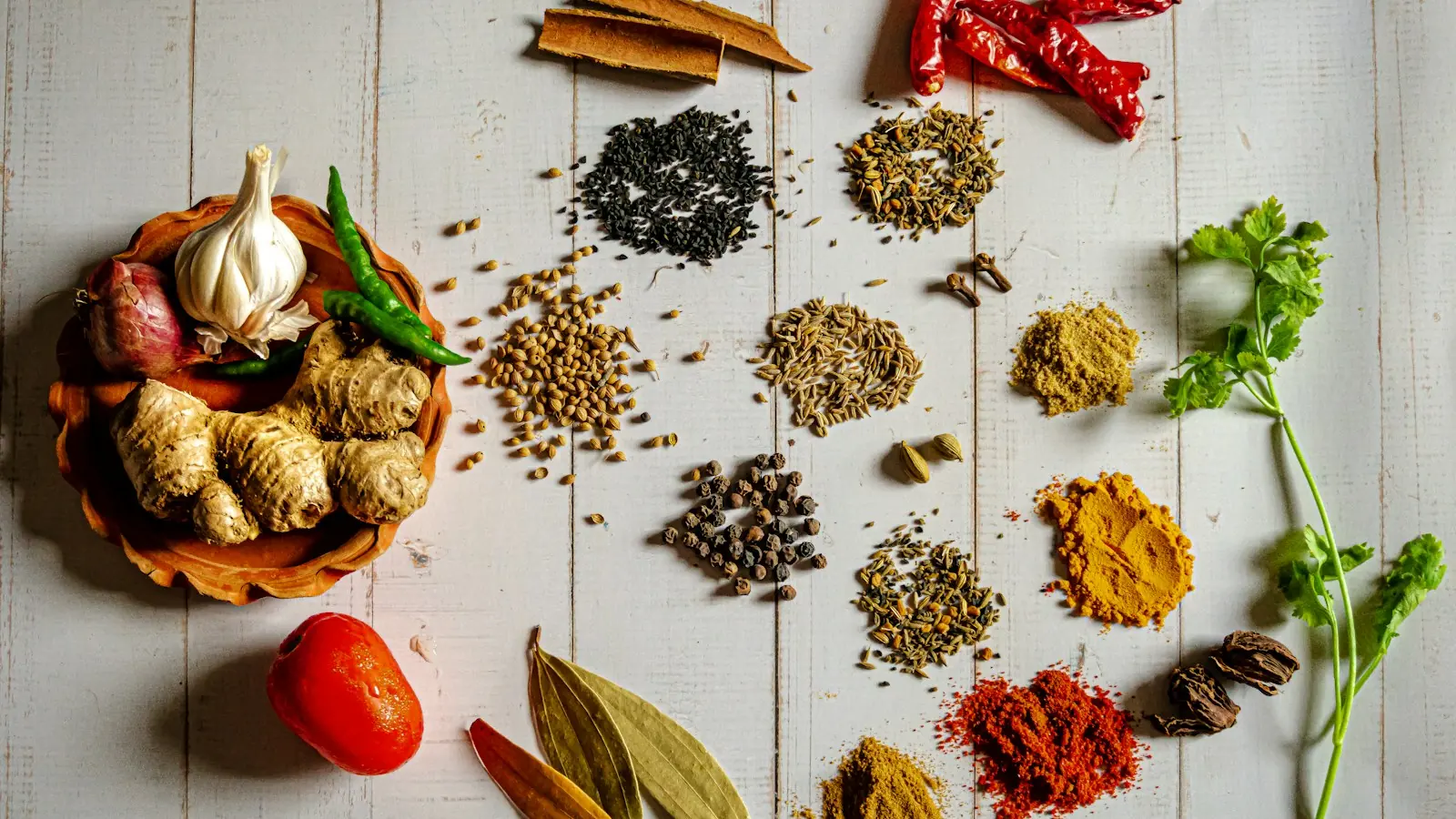
Herbs and spices are among the food ingredients most exposed to fraud. They are valuable per kilogram, often sold ground or cut small, and pass through long supply chains in which a lot can be blended or diluted without anyone downstream noticing. This guide covers the main forms of adulteration, the test methods that detect them and their limits, and the supply-chain controls that prevent the problem in the first place.
Why the risk is real
The European Commission ran an EU-wide coordinated control plan on the authenticity of herbs and spices, with results published in 2021. Samples of several herbs and spices were analysed, and a significant share were judged suspicious. Oregano was the product most often flagged, most commonly because it had been bulked with olive leaves and other leaf material. Cumin, paprika and chilli, and several other spices also had suspicious samples.
Earlier episodes shaped the rules buyers work under today. In the early 2000s, findings of the illegal dye Sudan I in chilli products led the EU to require testing of imported chilli for the dye. Since then, authenticity has been treated as part of food safety as well as a commercial issue.
The main forms of adulteration
| Type | What happens | Where it is seen |
|---|---|---|
| Bulking with other plant material | Cheaper leaves, stems or husks mixed in to add weight | Oregano, marjoram and other leafy herbs |
| Species substitution | A related, cheaper species sold under the name of the valuable one | Herbs traded under common names that cover several species |
| Added colour | Illegal or undeclared dyes used to improve colour | Chilli, paprika and other red spices |
| Exhausted material | Spice with its volatile oil already extracted, sold as whole spice | Aromatic seeds and spices |
| Mineral and inert matter | Sand, soil or other fillers left in or added | Poorly cleaned or ground products |
How adulteration is detected
No single test covers every type of fraud. Laboratories combine methods, and each one answers a different question.
Visual and microscopic examination
For whole and cut herbs, a trained analyst with a microscope can often identify foreign leaf material by its cell structures and hairs. It is quick and cheap, and much less effective on fine powders.
Spectroscopic fingerprinting
Infrared methods, FT-IR and NIR, compare the spectrum of a sample with a library of authentic material. They are fast screening tools. A result outside the authentic range is a reason to investigate further, not proof of fraud on its own.
Chromatography
Liquid chromatography detects illegal dyes in red spices. Gas chromatography of the volatile oil shows whether a spice has its expected aroma profile, which is the usual way to detect exhausted material.
DNA-based methods
DNA methods can confirm which species are present, but drying, heat and grinding degrade DNA. They are good at detecting that a foreign species is there and poor at saying how much, so treat results as qualitative unless the laboratory has validated a quantitative method.
Physical and chemical parameters
Total ash and acid-insoluble ash show mineral contamination. Volatile oil content shows whether an aromatic spice still has its aroma. Neither proves authenticity alone, but both belong on the certificate of analysis. Our guide to quality testing covers these methods in more detail.
Prevention matters more than detection
Testing finds a problem after it has entered the chain. The more reliable protection is to make fraud difficult:
- Buy whole where you can, and grind or cut under your own control or a supplier's audited control. Fraud is easiest in powders.
- Shorten the chain. Each extra trader is another point where a lot can be blended. Buy from the processor where possible, or require the trader to name the processing facility.
- Specify the botanical name and the plant part, not only the common name.
- Watch the price. An offer well below the market for the season is a question to ask, not a bargain to accept.
- Assess vulnerability. GFSI-benchmarked food safety schemes require a food fraud vulnerability assessment, often called VACCP. Rank your ingredients by exposure and test the most exposed most often.
- Keep retained samples of every lot, so that a later question can be answered with evidence.
A buyer's authenticity checklist
- Botanical name and plant part stated in the specification.
- Processing facility named on the documents.
- Pre-shipment sample approved and part of it retained.
- Intake testing matched to the product's risk: microscopy for leafy herbs, dye screening for red spices, volatile oil for aromatic seeds.
- Supplier's food fraud controls reviewed as part of supplier qualification.
- Results recorded, so that trends over several lots are visible.
How HS Herbs supplies
We clean, sort and pack at our own facility in Fayoum and supply herbs such as oregano and marjoram in whole or rubbed form as well as ground, so a buyer who prefers to grind under their own control can do so. Each shipment carries a certificate of analysis for the lot supplied, and pre-shipment samples are available under our sample policy. To agree a specification, contact our export team.