Table of Contents
When procurement managers at European tea brands, North American nutraceutical companies, or East Asian pharmaceutical firms specify "Egyptian chamomile," they are not simply naming a country of origin. They are referencing a distinct combination of terroir, cultivar selection, and post-harvest expertise that has made Egypt — and specifically the Fayoum Governorate — the world's most trusted source of Matricaria chamomilla L.
In this article, we explore the agronomic, phytochemical, and commercial reasons why Fayoum chamomile consistently outperforms competing origins — and how B2B importers can leverage that advantage in their supply chains.
1. The Fayoum Terroir: Why Geography Matters
The Fayoum basin sits in a natural depression southwest of Cairo, irrigated by the Bahr Youssef canal — a branch of the Nile that has delivered mineral-rich alluvial sediment for millennia. This unique micro-climate offers warm days (28–34°C), cool nights (12–16°C), and low annual rainfall, creating ideal stress conditions that force chamomile plants to produce higher concentrations of defensive secondary metabolites — the very compounds importers value most.
Unlike chamomile grown in temperate European climates (Germany, Hungary, Poland), Fayoum chamomile benefits from intense solar radiation during its March–May flowering season. This UV exposure triggers elevated biosynthesis of flavonoids, particularly apigenin-7-glucoside, which is the primary marker compound in pharmacopoeia monographs worldwide.
The alkaline clay-loam soils of the Fayoum basin — with pH levels typically between 7.5 and 8.2 — further enhance essential oil production. Research published in the Journal of Essential Oil Research has shown that mildly alkaline soils can increase chamazulene content by up to 18% compared to acidic substrates.
2. Active Compounds: Apigenin, Bisabolol & Chamazulene
Buyers evaluating chamomile suppliers typically focus on three key bioactive markers:
- • Apigenin (≥ 1.2%): The flavonoid responsible for chamomile's anxiolytic and anti-inflammatory properties. Fayoum lots routinely test at 1.3–1.8%, well above the European Pharmacopoeia minimum of 0.8%.
- • α-Bisabolol (≥ 15% of essential oil): The sesquiterpene alcohol prized in cosmetic and dermatological formulations for its skin-soothing activity.
- • Chamazulene (≥ 5% of essential oil): The blue-colored compound formed during steam distillation, used as an anti-irritant marker in premium skincare.
At HS Herbs, every shipment of Egyptian chamomile is accompanied by a Certificate of Analysis (COA) from an accredited third-party laboratory, confirming these marker compounds alongside full microbiology panels and heavy metal screening.
3. Pharma-Grade vs. Food-Grade: What Importers Should Know
Not all chamomile is created equal. The market distinguishes between two primary grades:
Pharma-Grade
- • Essential oil ≥ 0.4% (v/w)
- • Apigenin ≥ 1.2%
- • Moisture ≤ 10%
- • Stems ≤ 1%
- • Compliant with Ph.Eur. / USP
Food-Grade (Herbal Tea)
- • Essential oil ≥ 0.3% (v/w)
- • Visual appearance priority
- • Moisture ≤ 12%
- • Stems ≤ 3%
- • EU food safety compliance
Pharma-grade commands a 25–40% premium over food-grade, reflecting the additional sorting, de-stemming, and laboratory validation required. When sourcing from Egypt, specify your end-use application clearly so your supplier can allocate the appropriate lot.
4. Quality Benchmarks & Certifications
When evaluating Egyptian chamomile suppliers, importers should verify the following credentials:
- ✓ ISO 22000 — Food safety management system covering the entire supply chain from field to port. Learn more about ISO 22000 in herb processing →
- ✓ HACCP certification — Hazard analysis with documented critical control points
- ✓ FDA registration — Required for export to the United States
- ✓ Halal certification — Essential for Middle Eastern and Southeast Asian markets
- ✓ Phytosanitary certificates — Issued by Egypt's Central Administration for Plant Quarantine
5. Harvest Windows & Post-Harvest Processing
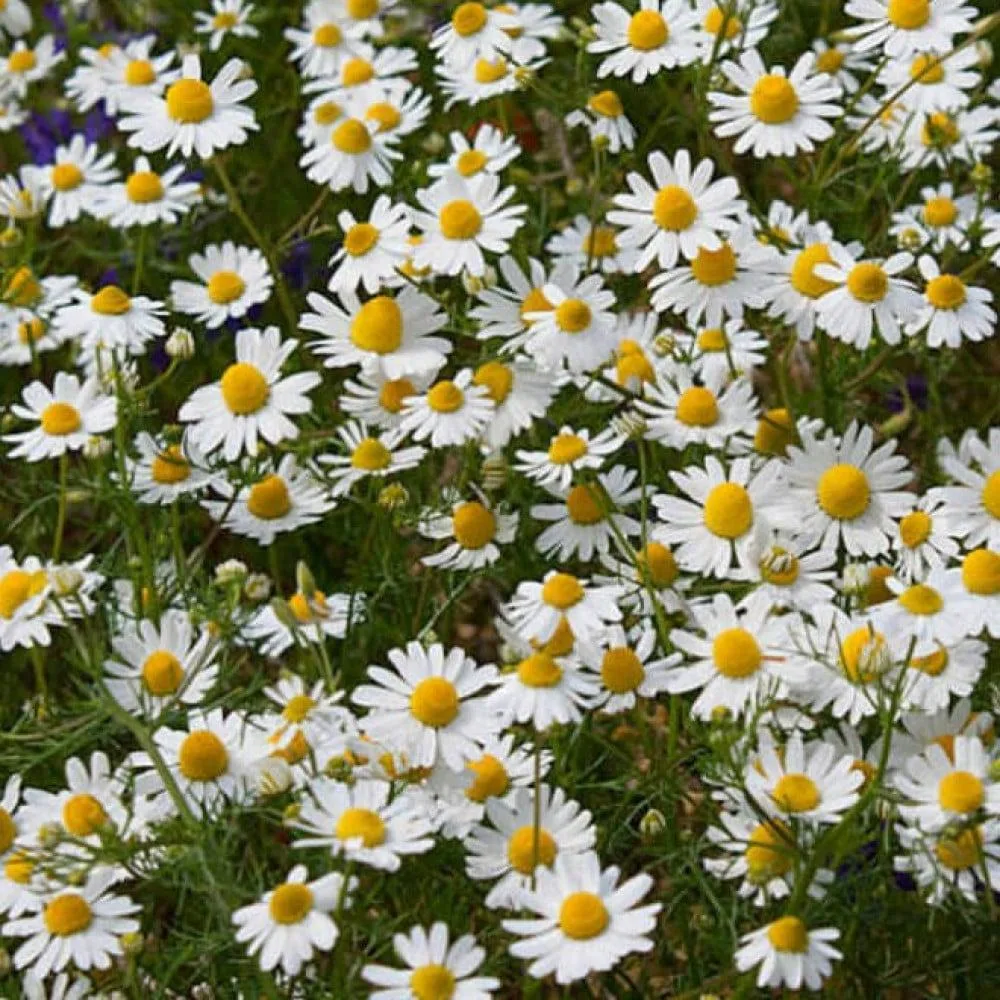
Egyptian chamomile is typically harvested between March and May, with peak quality occurring in the second and third cuttings when essential oil concentration reaches its maximum. The harvest window is critical: flowers must be picked at full bloom, when the white ray florets are horizontal — not drooping — to ensure optimal apigenin content.
Post-harvest, the flowers undergo shade drying or controlled hot-air drying at temperatures not exceeding 40°C to preserve volatile compounds. At HS Herbs, our processing facility employs multi-stage cleaning lines including de-stoners, aspirators, color sorters, and metal detectors to deliver export-ready product with purity levels exceeding 99%.
For importers requiring specific cuts, we offer whole flower heads, cut & sifted (C/S) grades at 2–4mm, and TBC (teabag cut) at ≤2mm — all processed under ISO 22000 and HACCP protocols.
6. Practical Sourcing Tips for Bulk Buyers
- 1. Request pre-shipment samples: Always evaluate a 200g sample from the actual production lot before confirming orders. Reputable suppliers like HS Herbs provide samples within 5–7 business days via DHL/FedEx.
- 2. Specify your pharmacopoeia: Whether you need Ph.Eur., USP, or JP compliance, communicate this upfront to avoid rejection at destination.
- 3. Plan around harvest season: Place orders by January–February for the freshest crop. Off-season availability exists from warehouse stock, but lead times vary.
- 4. Negotiate Incoterms carefully: FOB Alexandria is the most common term. CIF/CFR options are available but factor in freight volatility. Read our complete B2B sourcing guide →
- 5. Verify documentation capabilities: Ensure your supplier can provide EUR.1 certificates, fumigation certificates, and phytosanitary documents required by your destination country.
7. Conclusion
Egyptian chamomile from Fayoum is not simply a commodity — it is a premium ingredient with measurable phytochemical advantages rooted in geography, climate, and generations of agricultural expertise. For importers seeking consistency, compliance, and competitive pricing, Fayoum-origin chamomile remains the benchmark against which all other sources are measured.
At HS Herbs, we invite you to experience the difference. Request a sample today or view our full chamomile product specifications →
Hatem Shaaban
Founder & CEO, HS Herbs
With over 15 years in Egypt's herbs and spices export industry, Hatem Shaaban founded HS Herbs to bridge the gap between Egyptian agricultural excellence and global market demand. He oversees quality control, international trade compliance, and strategic partnerships across Europe, North America, and Asia.